

 Get Rid of Acne: What Really Helps Against Pimples – Your Dermatologists in Vienna
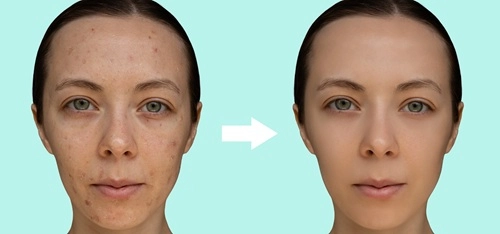
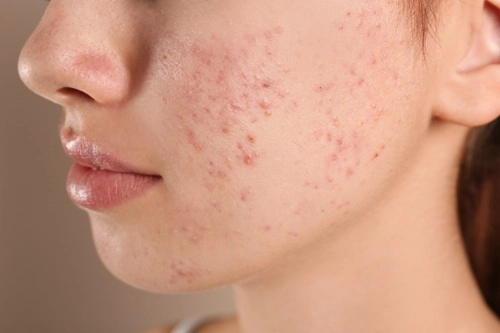
Pimples, blackheads, breakouts – almost everyone knows the struggle. Acne is the most common skin condition in young people, and the vast majority of teenagers go through it at some point. First things first: acne is not your fault, it has nothing to do with poor hygiene, and there is a lot you can do about it. In this article, you'll find out why acne happens, what really works, which myths you can safely forget and when it makes sense to see a dermatologist.
Photo: © New Africa - stock.adobe.com
Why do I get pimples in the first place?
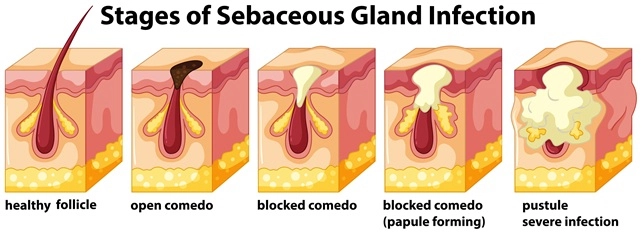 Acne starts deep inside your skin, not on the surface. During puberty, your hormones change, which makes your oil glands produce more sebum. If this sebum can't drain properly, your pores get clogged and blackheads form. When bacteria multiply inside them, these spots become inflamed – and you get those typical red, sometimes painful pimples.
Genetics, stress, certain cosmetic products and some medications can make it worse. None of this has anything to do with "dirty" skin.
Is acne my fault? Myths you can forget
There are a lot of half-truths about acne out there, especially on social media. These ones are simply not true:
"Washing more often means fewer pimples." Wrong. Washing too often or too harshly irritates your skin even more and can actually make acne worse.
"Chocolate causes pimples." It's not that simple. Single foods don't trigger acne, although your overall diet can play a role (more on that below).
"Toothpaste dries out pimples." Please don't! It only irritates your skin.
"The sun cures acne." Sun can sometimes make pimples look paler in the short term, but in the long run, UV light can leave dark marks on inflamed spots (pigmentation) and speeds up skin ageing.
"You have to squeeze pimples." The exact opposite is true – you'll find out why in a moment.
What really helps against acne?
For mild acne, the right skin care is the foundation: cleanse your face gently twice a day with a mild cleanser with a neutral or slightly acidic pH instead of "scrubbing" your skin. Avoid greasy, pore-clogging creams and go for light, hydrating products. Patience matters too: there's no overnight fix for acne – visible improvements take a few weeks. If over-the-counter products aren't enough, your skin gets inflamed or it's getting you down, the next step is treatment with a dermatologist. There you'll find much more effective options, from medical skin care and topical or oral treatments to modern procedures.
Does acne go away on its own?
In many cases, acne settles down in early adulthood, roughly by your mid-20s. Still, waiting it out isn't always the best idea: more severe or inflamed acne can leave scars that last a lifetime. That's why the earlier you start treatment, the better you can prevent lasting marks.
Should I squeeze my pimples?
No. Even if it's tempting: when you squeeze, you push bacteria and inflammation deeper into your skin. The inflammation often gets worse and the risk of permanent scars goes up significantly. What was a small pimple can turn into a dark mark or a scar. So leave inflamed spots alone, and let the professionals remove blackheads properly.
Does diet affect acne?
Yes, your diet can affect your skin, even though no single food is "to blame". There's evidence that a lot of milk and dairy products, as well as foods high in sugar and white flour, may make acne worse in some people. Alcohol and nicotine have a negative effect as well. A balanced diet isn't a miracle cure, but it can be a useful support for your treatment. How strongly your skin reacts to food varies from person to person – and that's exactly what we look at together with you in our practice.
Does acne leave scars – and what can you do about them?
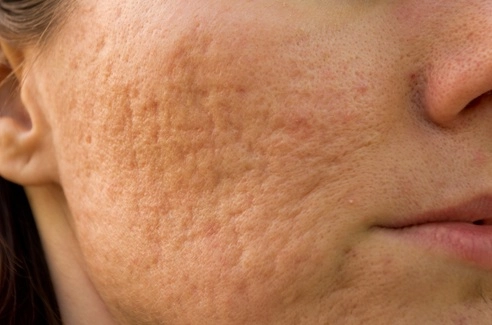 The risk of scarring is especially high with more severe, inflamed acne – and even more so if you pick at your pimples.
That's why the best "scar treatment" is not letting scars develop in the first place, by getting treatment early. If you already have scars or dark marks, there are good options today to noticeably improve your skin.
For example microneedling, radiofrequency microneedling, chemical peels, mesotherapy or laser treatment.
When should I see a dermatologist about acne?
It's a good idea to book an appointment with a dermatologist if over-the-counter products haven't helped after a few weeks, if your skin becomes inflamed, painful or develops lumps, if you notice first scars or dark marks, or simply if your acne is affecting how you feel. You don't have to wait until it's "bad enough". Because early treatment prevents scars, it's worth getting advice sooner rather than later.
How we help you at our practice in Vienna
At our private dermatology practice in Vienna, we treat acne holistically and individually – from mildly blemished skin to severe acne. Our specialist doctors bring decades of experience and a solid scientific background. We offer all common treatments, plus medication-free and antibiotic-free options as well as holistic approaches such as targeted micronutrient supplementation and individual microbiome testing, so we tackle the causes, not just the symptoms. We also work hand in hand with experienced beauticians to further support your medical treatment.
Every treatment starts with a thorough examination and a detailed consultation. Based on this, we put together a personal treatment plan with you. Our services include:
an individual skin care and cleansing plan
topical and oral (systemic) acne treatment
advice on diet, stress and lifestyle
further diagnostics such as blood tests
ACCURE™ – a laser for acne for patients who can't or don't want to take medication
the Blemiderm concept for moderate to severe acne (grade II–III)
supporting beauty treatments such as HydraFacial or chemical peels
scar treatment (microneedling, radiofrequency microneedling, peels, mesotherapy, laser and more)
What is ACCURETM?
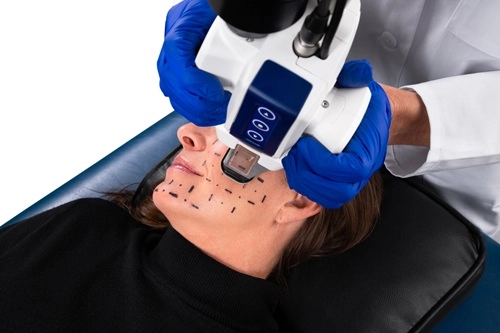 For some patients, creams, peels or medication aren't enough – or they'd rather avoid systemic acne treatments such as antibiotics or vitamin A (isotretinoin).
For these cases, we offer a new, state-of-the-art option:
We are the first practice in the German-speaking world to use the ACCURE® laser – a laser treatment approved by the regulatory authorities (EMA, FDA) that targets the root cause of acne: overactive oil glands.
The laser works with a specific wavelength of 1726 nm, which is absorbed specifically by the oil glands. This shrinks them in a controlled way (thermal reduction) without damaging the surface of the skin.
The result is long-term control of oil production – which means fewer pimples, blackheads and inflammation, without any medication.
Book your appointment in Vienna now
You don't have to just "sit out" your acne. The sooner you do something about it, the better you protect your skin from permanent scars – and the more of your self-confidence you get back. Simply book a first consultation at our practice in Vienna. We'll take a close look at your skin and find the approach that works for you together.